
The Family Home Is Often the Most Valuable Asset in a Nevada Divorce
For most divorcing couples in Henderson and across Clark County, the family home represents a significant portion of their wealth. It is also the most emotionally charged asset in the proceedings. How you handle the family home decision can have major financial consequences — affecting your tax liability, your mortgage obligations, and your long-term financial stability.
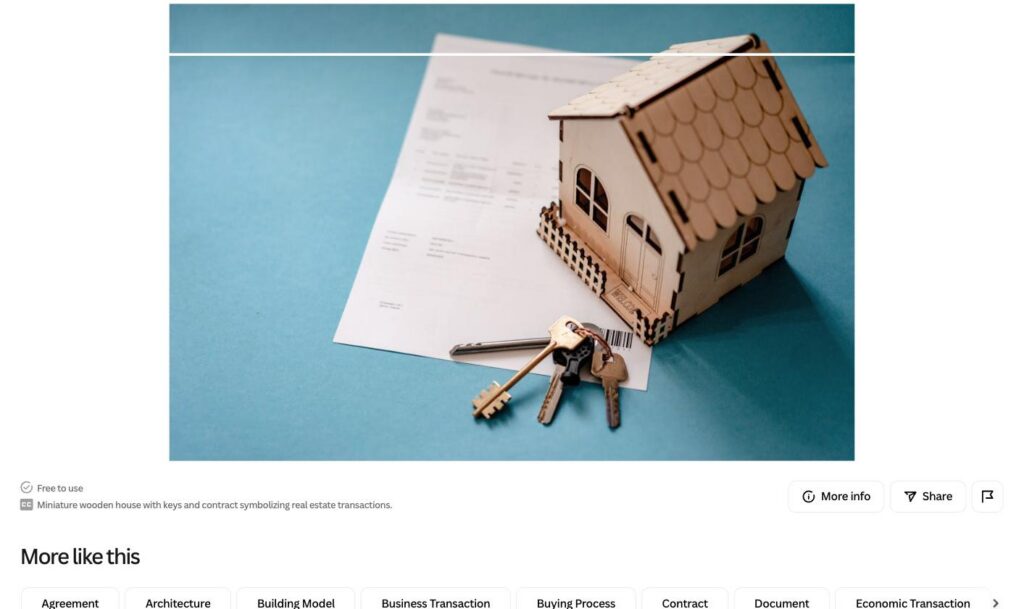
Nevada is a community property state, meaning that a home purchased during the marriage is generally owned equally by both spouses, regardless of whose name is on the deed. The court’s starting point is a 50/50 division of marital assets, though the actual outcome depends on negotiations, buyout agreements, and the full picture of the couple’s finances. For context on how all marital assets are treated, see our overview of property division in Nevada divorce.
Option 1: One Spouse Buys Out the Other
The most common outcome when one spouse wants to keep the home is a buyout. The buying spouse pays the other spouse their share of the home’s equity and takes full ownership. The mechanics of this require careful attention to several issues.
First, the home must be appraised to establish fair market value. Both parties typically agree on an appraiser, or each obtains an independent appraisal. The equity is calculated by subtracting the outstanding mortgage balance from the appraised value. The buying spouse pays the other half of that equity — either in cash or by offsetting it with other marital assets such as retirement account balances.
What Happens to the Mortgage?
One of the most important — and frequently overlooked — steps in a home buyout is removing the other spouse from the mortgage. Transferring title via a quitclaim deed does not release the departing spouse from mortgage liability. The buying spouse must refinance the home in their name alone. If they cannot qualify for refinancing on a single income, the buyout may not be feasible.
Failing to address the mortgage properly can leave the departing spouse liable for missed payments years after the divorce, damaging their credit even though they no longer own the home. Your divorce settlement agreement should explicitly address refinancing timelines and what happens if the refinance does not close.
Option 2: Sell the Home and Split the Proceeds
Selling the home and dividing the net proceeds is the cleanest resolution in financial terms. Both spouses walk away with liquid cash that can be used to purchase or rent separate housing. This option removes the complications of refinancing, ongoing shared liability, and disputes over maintenance or future value.
Selling does create tax considerations. Married couples who file jointly can exclude up to $500,000 in capital gains from the sale of a primary residence. Once divorced, each individual can only exclude $250,000. Timing the sale — before or after the divorce is finalized — can therefore have significant tax consequences. Consulting a CPA alongside your family law attorney is important when significant home equity is involved.
Option 3: Defer the Sale Until Children Are Grown
Some couples agree to defer the sale of the family home — typically until the youngest child finishes high school or turns 18. This arrangement, sometimes called a deferred sale or “nesting” arrangement, allows children to remain in their home and school district while both parents establish separate lives.
Deferred sales require a very detailed agreement: Who lives in the home? Who pays the mortgage, taxes, and maintenance? What happens if one party fails to pay? How is appreciation or depreciation shared? What triggers the sale earlier than planned? Without careful drafting, this arrangement can generate years of post-divorce conflict.
Attorneys handling Nevada divorce cases with this structure must ensure the settlement agreement addresses every contingency clearly — because ambiguity in a deferred sale agreement almost always leads to litigation later.
Choosing the Right Option for Your Situation
The right approach to the family home depends on your financial resources, your children’s needs, local real estate market conditions, and what the rest of your asset division looks like. A spouse who receives the home as part of the settlement may be “house rich and cash poor” if they do not also receive enough liquid assets to cover ongoing costs. An attorney who understands the full financial picture of your divorce can help you avoid that trap.
Get Guidance on the Family Home From a Henderson Divorce Attorney
At Hauser Family Law, attorney Michelle Hauser helps Henderson families make informed decisions about real estate in divorce — from negotiating buyout terms to structuring deferred sale agreements that actually hold up over time.
Contact Hauser Family Law for a confidential consultation. Call (702) 867-8313.